


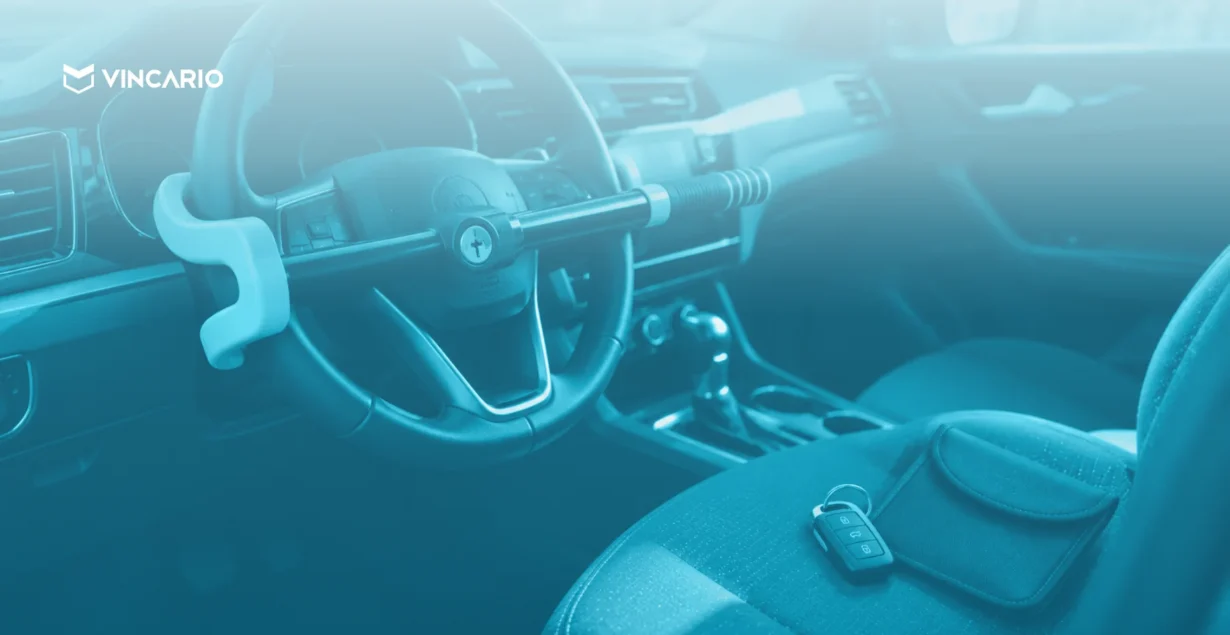

Car thieves don’t always need to break a window. Modern methods like keyless relay attacks can let them steal a car without even touching the keys.
But not every anti-theft device protects against every method. This guide covers 12 practical ways to prevent car theft, what each one protects against, and how much it costs.
Buying a used car? Start with a free stolen vehicle check to make sure it hasn’t already been reported stolen.
Key takeaways
- Stop keyless theft. Use a Faraday pouch to block relay attacks and a PIN immobilizer for extra protection.
- Combine a visible steering wheel lock with a hidden security device.
- A GPS tracker won’t prevent theft, but it can help locate your car if it’s stolen.
- Use Vincario for free stolen vehicle checks, VIN decoding, and market value estimates to spot potential red flags.
How Do Thieves Steal Cars?
Here are 5 common ways they steal cars and what you can do to stop them.
1. Relay Attack
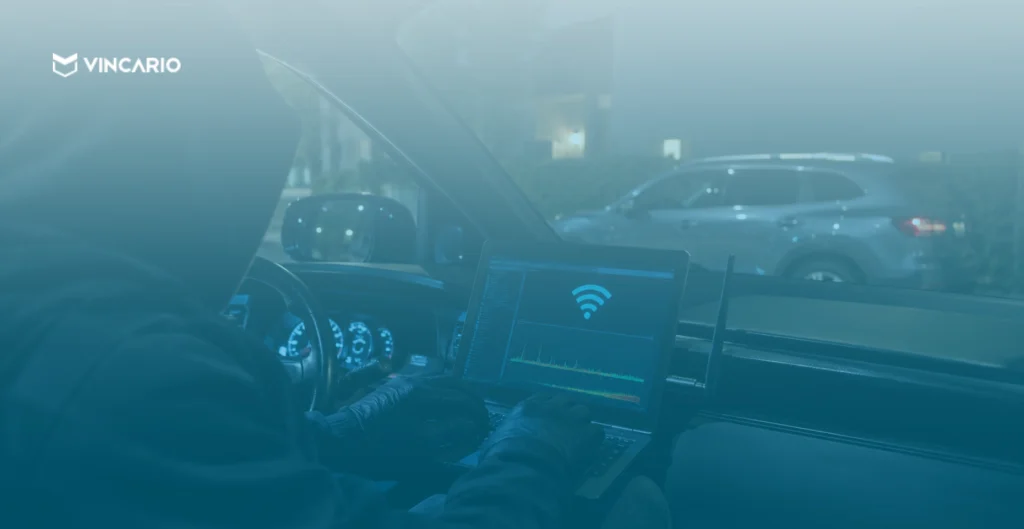
Thieves amplify the signal from a key fob inside your home to unlock and start the car. Common targets include keyless Toyota, Lexus, and Range Rover models. A tested Faraday pouch can block this attack.
2. OBD Key Programming
After entering the car, thieves use the diagnostic port to program a new key. Certain BMW and Ford models are vulnerable. An OBD port lock makes this harder.
3. No Immobilizer
Some older Hyundai and Kia vehicles lack electronic immobilizers, making them easier to start by manipulating the ignition. A steering wheel lock or kill switch adds protection.
4. Keys Left Inside
An unlocked car or an engine left running gives thieves an easy opportunity. Never leave keys inside, even for a quick stop.
5. Tow-Away Theft
Thieves lift the vehicle onto a truck without starting it. Immobilizers cannot prevent this. A hidden GPS tracker can help locate the car afterward.
For vehicle-specific risks, see our guide to the most stolen cars in 2026.
12 Anti-Theft Devices That Actually Work
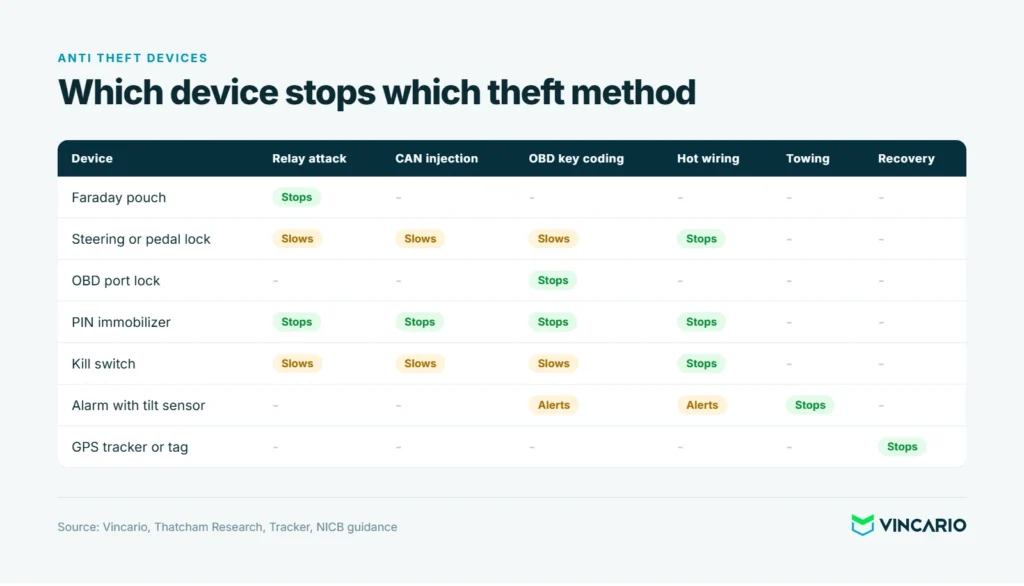
| Device | Stops | Approx. cost (USD) |
|---|---|---|
| 1. Faraday pouch or box | Relay attacks | $10 to $25 |
| 2. Steering wheel lock | Driving away quickly | $40 to $150 |
| 3. OBD port lock | Key programming | $50 to $150 |
| 4. Aftermarket immobilizer with PIN | Relay, CAN injection, cloned keys | $300 to $800 installed |
| 5. GPS tracker | Permanent loss, helps recovery | $30 to $200 plus subscription |
| 6. Bluetooth tag | Helps recovery | $25 to $35 |
| 7. Kill switch | Starting the engine | $20 to $200 installed |
| 8. Pedal or gear stick lock | Driving away | $80 to $200 |
| 9. Catalytic converter shield | Converter theft | $150 to $400 |
| 10. Alarm with tilt and glass sensors | Towing, break-ins | $150 to $500 |
| 11. VIN etching on windows | Resale and parting out | $20 to $30 |
| 12. Dashcam with parking mode | Evidence, deterrence | $80 to $300 |
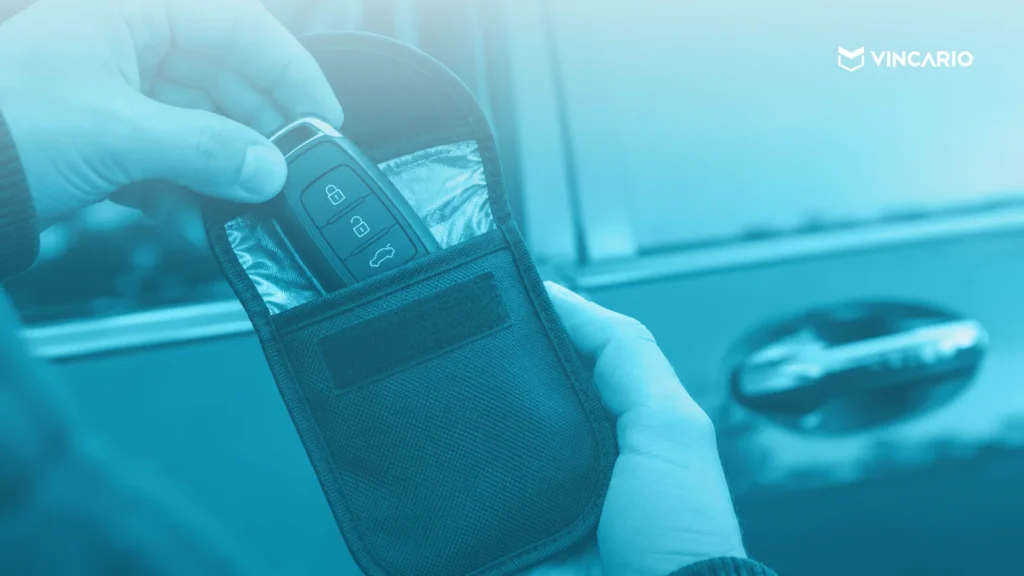
1. Faraday pouch or box
The single cheapest fix for keyless cars. It blocks the fob’s signal so a relay device has nothing to copy. Test it: put the key inside, walk to the car and pull the door handle. If it opens, the pouch is useless. Many cheap pouches fail this test. A metal tin works too. Put the spare key in it as well.
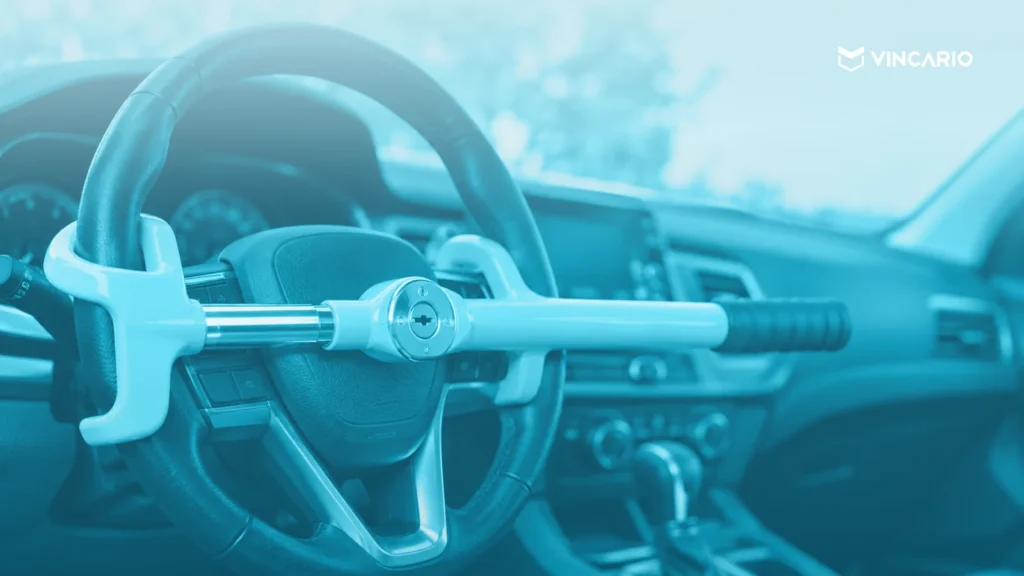
2. Steering wheel lock
Old-school, but still effective as a visible deterrent. Thieves working through a car’s electronics can start it, but cutting a quality lock takes time and noise. Choose one that covers the whole wheel or locks to the pedal.
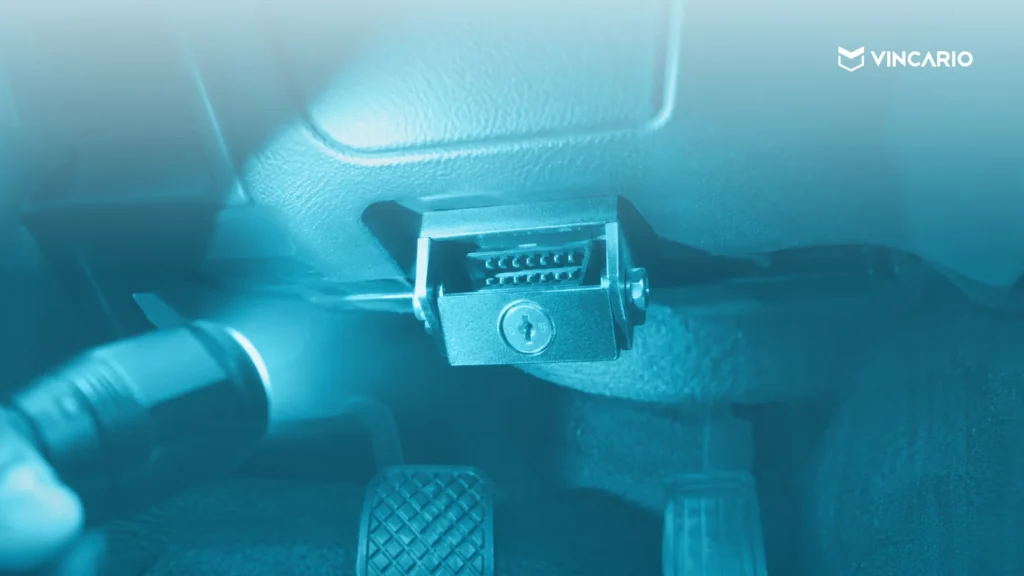
3. OBD port lock
The diagnostic port under the dash lets a thief program a new key in a minute. A lock over the port, or relocating the port, stops that route. Particularly useful for BMW, Ford and other models targeted by key programmers.
4. Aftermarket immobilizer with PIN
The strongest protection against relay and CAN attacks. A CAN bus immobilizer asks for a PIN code entered with buttons already in the car, such as steering wheel controls, before the engine starts. A relayed or cloned key is not enough. Professional installation is recommended.

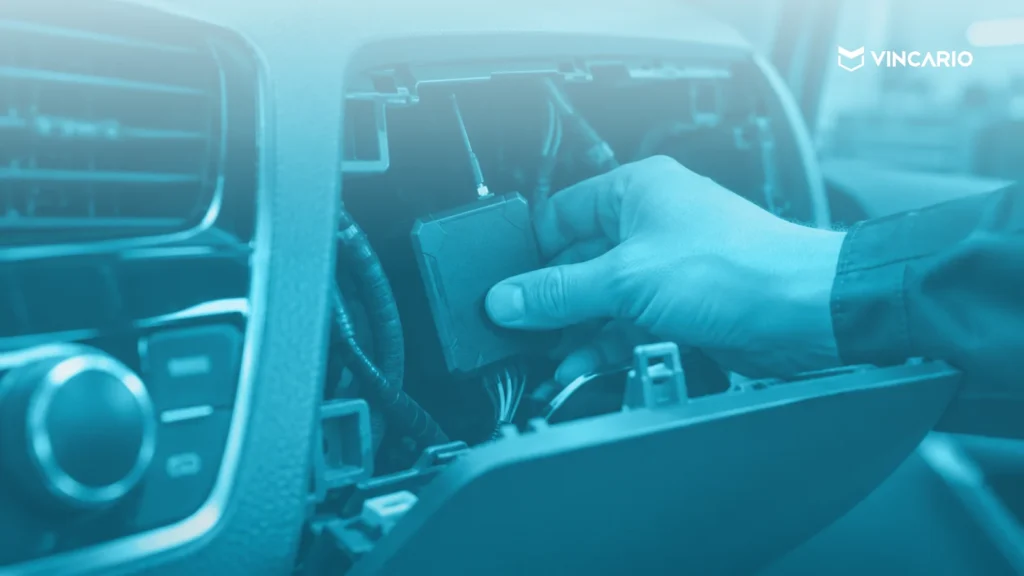
5. GPS tracker
It will not stop the theft, but it is the biggest factor in getting the car back. Choose a hardwired tracker with a backup battery and a concealed installation. Some insurers require one for high-theft models.
6. Bluetooth tag
An AirTag or a similar device hidden in the car is an inexpensive recovery backup. Thieves now scan for tags, so hide it well, inside a seat or trim panel rather than the glovebox.

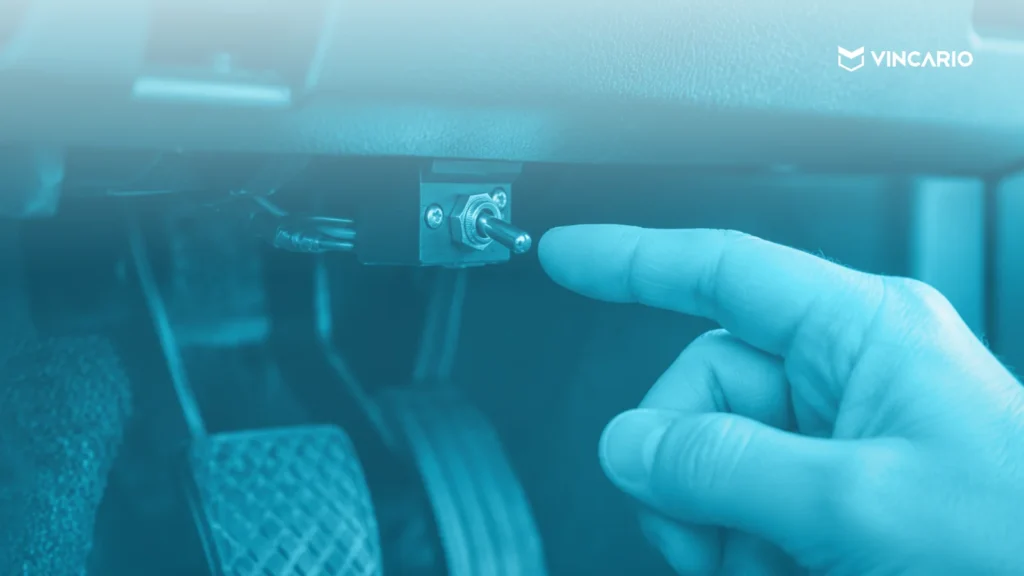
7. Kill switch
A hidden switch that cuts the fuel pump or starter circuit. Cheap and effective on older cars without immobilizers, which is exactly what tops the US theft lists.
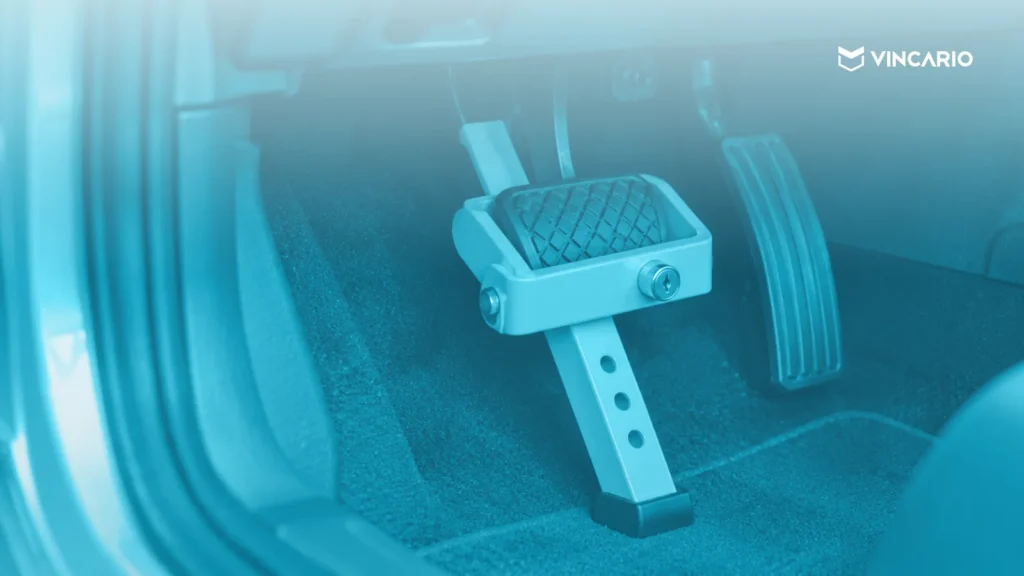
8. Pedal or gear stick lock
Locks the brake or clutch pedal, or the gear lever, in place. Harder to attack than a steering lock because it sits in the footwell.
9. Catalytic converter shield
A steel plate or cage bolted under the car. Converter theft takes two minutes with a battery saw, and hybrids and high-clearance trucks are top targets. Comprehensive insurance covers it, but you still pay the deductible and wait for parts.

10. Alarm with tilt and glass sensors
Factory alarms stay silent during relay attacks because the car thinks the owner opened it. Aftermarket alarms with tilt sensors catch towing and wheel theft, and glass sensors react to a broken window.

11. VIN etching
Etching the VIN on every window makes the car harder to sell whole or in parts, because each window must be replaced. Cheap, and some insurers give a small discount.

12. Dashcam with parking mode
Records anyone who approaches or hits the car while parked. Mostly helps after the event, but a visible camera with a blinking light makes some thieves move on.

Free habits that prevent most thefts
- Lock the car and close the windows, even on the drive. A large share of US thefts still involve unlocked cars or keys inside.
- Never leave the engine running unattended, not even to warm it up.
- Keep keys away from the front door and windows, and in a Faraday box at night.
- Park in a garage or a well-lit, busy area. Point the wheels to the kerb on a slope.
- Do not leave documents, garage remotes or spare keys in the car.
- Turn off keyless entry if your car allows it. Some models let you disable it in the settings menu.
- Keep software updated. Hyundai and Kia cut thefts by more than half with free updates.
The Anti-Theft System Will Not Let My Car Start
Sometimes the factory immobilizer blocks the owner. The security light flashes, the engine cranks but does not fire, or nothing happens.
- Try the spare key. If it works, your main key’s chip or battery is the problem.
- Replace the fob battery. Many keyless cars cannot read a weak fob. Hold the fob against the start button, which often works with a dead battery.
- Lock and unlock the driver’s door using the physical key. On many cars this resets the alarm.
- Do the 10 minute relearn on many GM cars: key in the on position until the security light goes off, about 10 minutes, then off for a few seconds. Repeat three times if needed.
- Check the battery. Low voltage causes false immobilizer faults.
- Call a dealer or auto locksmith if none of this works. The key may need reprogramming.
If you fitted an aftermarket immobilizer, check its manual first. Most have an emergency override code.
Final words
No single device stops every car thief. For keyless cars, combine a Faraday pouch with a PIN immobilizer. For older cars, use a steering lock or kill switch. Add a GPS tracker to help with recovery.
If your car gets stolen, report it to Vincario for free and get notified if someone checks its VIN.

FAQ
1. How to Prevent Keyless Car Theft?
Check if your car can send alerts to your phone when it’s unlocked, started, or moved. Turn them on so you know if someone is using your car without permission.
2. How to Prevent Car Theft at Home?
Park in a locked garage if possible. If you park in your driveway, install motion-activated lights and a security camera. Keep your car visible from the house and avoid leaving valuables or spare keys inside.
3. What Is the Best Anti-Theft Device for a Car?
A PIN-based aftermarket immobilizer, combined with a GPS tracker. The immobilizer stops relay and CAN attacks, and the tracker gets the car back if someone tows it away.
4. Do steering wheel locks really work?
Yes, as a deterrent. They do not stop electronic theft, but cutting one takes time and noise, so thieves often pick an easier car.
5. Do Faraday pouches stop car theft?
They stop relay attacks if they work. Test the pouch by trying to open the car with the key inside. Many cheap ones fail.
6. Can thieves steal a car without the key?
Yes. Relay attacks copy the fob signal, CAN injection sends commands through the wiring, and older cars without immobilizers can be started with simple tools.
7. Why does my anti theft system not let my car start?
Usually, the cause is a weak key fob battery, a damaged key chip, or a low car battery. Try the spare key, replace the fob battery, or do the immobilizer relearn procedure for your make.
8. Do insurers give discounts for anti theft devices?
Often yes. Approved immobilizers, alarms, trackers and VIN etching can lower premiums, and some insurers require a tracker on high-theft models.
9. Which cars are hardest to steal?
Cars that are always online and tracked. Teslas have the lowest theft claim rate in IIHS data, and EVs are the least stolen cars in France.
10. How do I stop catalytic converter theft?
Fit a shield, park in a garage or lit area and etch the VIN on the converter. Hybrids and high-clearance trucks are targeted most.
11. What should I do if my car was stolen anyway?
Call the police, then your insurer, and report the VIN number. Adding the car to the Vincario stolen vehicle database alerts you if a buyer checks it.