





A Greek taxi driver once drove a Mercedes diesel 4.6 million kilometers. The car ended up in a museum, and the story became a symbol of Mercedes reliability.
But that was a 1976 240D. Today’s Mercedes models are far more complex, packed with luxury tech, hybrid systems, air suspension, and advanced driver assists.
So the real question is simple: which modern Mercedes models are still worth trusting for the long run?
We reviewed reliability data, repair cost records, safety ratings, and owner feedback to find the Mercedes models that still live up to the legend, and the ones that don’t.
Plus we’ll also show you how to get free vehicle details with a Mercedes VIN decoder. Stay tuned.
Key takeaways
- The E-Class W212/W213 is the strongest reliability pick, especially 2010–2016 and 2018–2022 models.
- Mercedes reliability depends more on the exact model, year, engine, and suspension than the badge itself.
- Always run a VIN check before buying to verify history, mileage, specs, market value, and possible damage.

The Reliability Check
Mercedes still has prestige, but reliability depends heavily on the model and year.
The data shows the same pattern. Mercedes-Benz scored below the industry average in the 2025 JD Power Vehicle Dependability Study, and RepairPal ranks the brand near the bottom for overall reliability, with higher-than-average repair costs.
But that does not mean every Mercedes is unreliable. A well-chosen E-Class, GLK, or older diesel can be a strong long-term car. A poorly chosen model year with known issues can become very expensive fast.
The key is simple: don’t judge Mercedes by the badge. Judge it by the exact model, engine, and year.
Tip: Want to decode your VIN and get complete vehicle information, including market value and stolen vehicle checks? Use Vincario to access accurate vehicle data in seconds.
Quick Comparison: All Mercedes-benz Models at a Glance
| Model | Best Years | Type | Expected Mileage |
|---|---|---|---|
| E-Class W212/W213 | 2010–2016, 2018–2022 | Sedan | 200,000–300,000 mi |
| GLC | 2018–2020, 2024+ | SUV | 150,000–200,000 mi |
| C-Class W204/W205 | 2012–2014, 2018–2020 | Sedan | 150,000–200,000 mi |
| GLK 350 | 2013–2015 | SUV | 180,000–250,000 mi |
| GLE 350 | 2020–2023 | SUV | 150,000–200,000 mi |
| G-Class (W463) | 2006–2018 | SUV | 200,000+ mi |
| S-Class W222 | 2015–2018 | Sedan | 150,000–200,000 mi |
| GLA | 2017–2020 | SUV | 150,000–200,000 mi |
| GLS | 2017–2019 | SUV | 150,000–180,000 mi |
| SL-Class R230 | 2005–2010 | Roadster | 150,000–200,000 mi |
10 Most Reliable Mercedes-Benz Models in detail
#1 — Mercedes-Benz E-Class (W212 / W213)
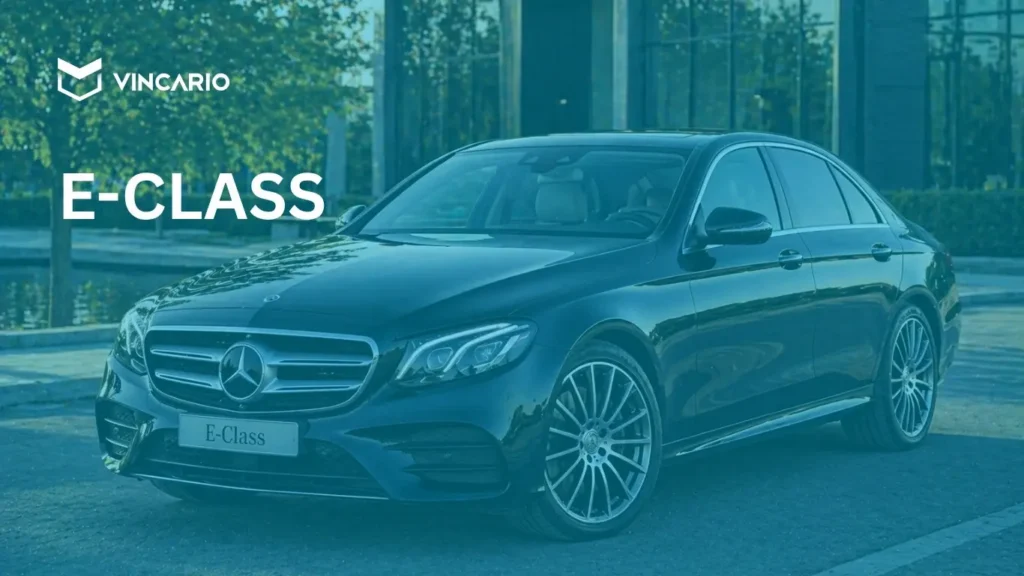
Ask a Mercedes mechanic what they’d buy, and the E-Class is usually the answer.
It is the brand’s proven workhorse, trusted by European taxi fleets and long-distance drivers for serious mileage. The W212 E-Class, built from 2009 to 2016, is often seen as the best balance of durability, comfort, and lower complexity.
The diesel versions, especially the E220d and E250d, are known for strong long-term reliability, with many owners reporting 350,000 to 400,000 km on the original engine.
The newer W213 E-Class keeps the reputation alive, adding stronger safety ratings, modern tech, and solid expert recognition.
Best years: 2010–2016, 2018–2022
Expected lifespan: 200,000–300,000 mi
Best engines: E250d / E350 (V6)
RepairPal: 4.0 / 5.0 ⭐
#2 — Mercedes-Benz GLC (2016–present)
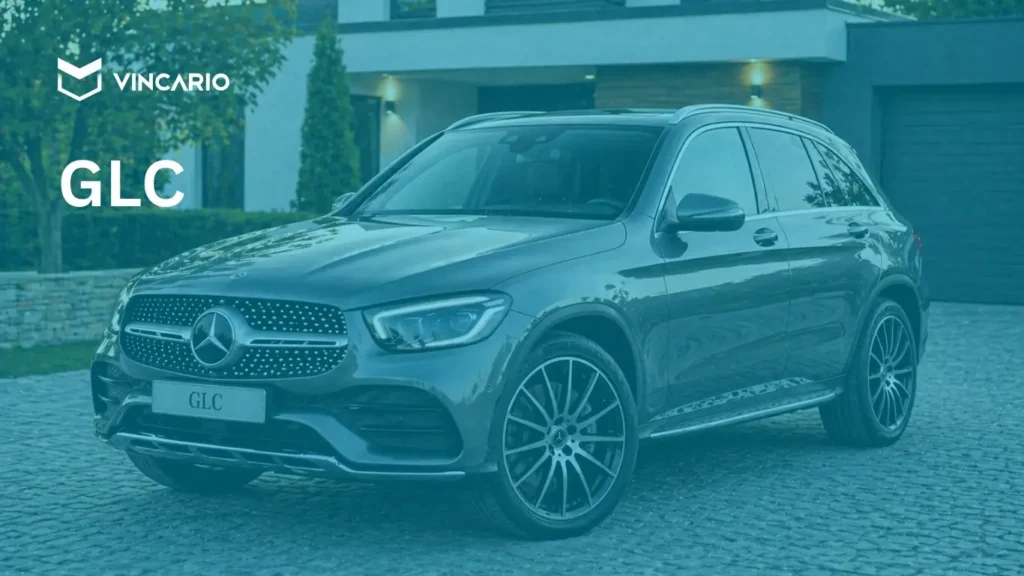
If you want a reliable modern Mercedes SUV, the GLC is one of the safest bets.
Since its launch in 2016, it has earned strong IIHS safety recognition year after year, building a reputation as one of the brand’s most dependable SUVs.
The latest redesign added a larger digital display, updated MBUX infotainment, and improved driver assistance features. The GLC300 also scores well with RepairPal, and many owners report fewer electrical issues than in the older GLK it replaced.
Best years: 2018–2020, 2024–present
Expected lifespan: 150,000–200,000 mi
Best engines: GLC 300 (2.0T)
RepairPal: 2017–2026 (9 yrs)
#3 — Mercedes-Benz C-Class (W204 / W205)

The C-Class is the entry point into the Mercedes world — and for buyers who want a reliable luxury compact, the W204 (2008–2014) and W205 (2015–2021) generations are the ones to seek out. JD Power rated the 2014 C-Class reliability at 4.5 out of 5. The 2018 edition earned Consumer Reports’ “Recommended” stamp, and the 2026 model earned it again.
What makes the C-Class punch above its weight for reliability is its engines: the 2.0L turbocharged four-cylinder in the C300 has a solid track record, and the 3.0L V6 in older models (C350) is one of the more bullet-proof units Mercedes has produced. The W204 holds its value unusually well for a Mercedes — a signal that the market has decided it’s trustworthy.
The 2025 C-Class sedan was named an IIHS Top Safety Pick+. For a family that wants a smaller luxury sedan that they can actually afford to maintain, the 2018–2020 C300 stands as one of the most rational buys in the segment.
Best years: 2012–2014, 2018–2020
Expected lifespan: 150,000–200,000 mi
Best engines: C300 (2.0T), C350 (V6)
RepairPal: 2017–2026 (9 yrs)
#4 — Mercedes-Benz GLK (2013–2015)
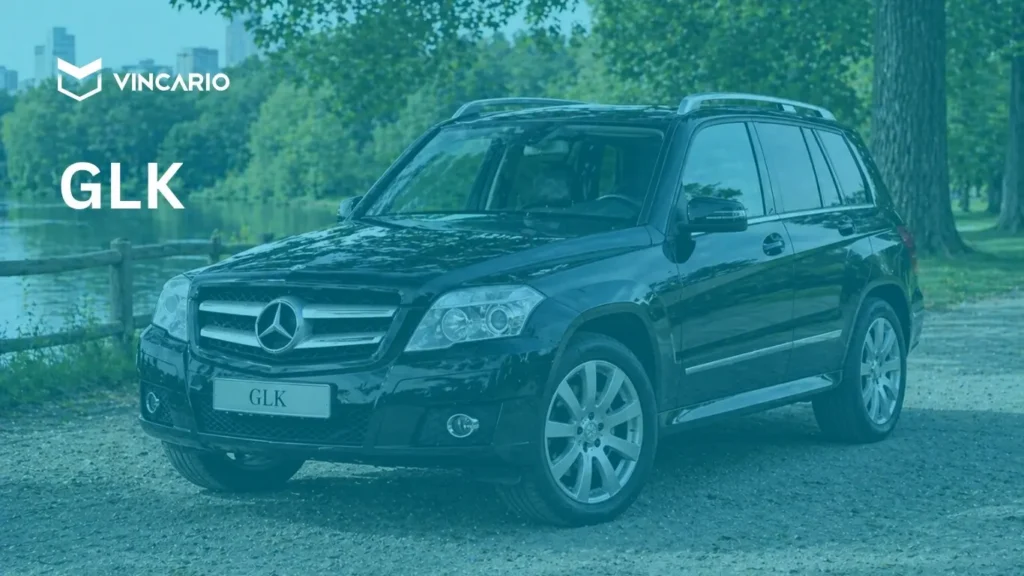
The GLK is the quiet overachiever. Discontinued in 2015 (replaced by the GLC), it was Mercedes’ first crack at a compact luxury SUV — and the 2013–2015 models, once early production issues were ironed out, turned out to be genuinely solid. JD Power rated the 2015 GLK-350 “Great” in Quality & Reliability.
Owners on forums frequently report crossing the 250,000-mile mark without major drama, a rarity in the modern Mercedes lineup. The engines are less electronically complex than current units, which reduces the failure vectors. The 3.5L V6 GLK350 is the sweet spot — torquey, smooth, and durable. Some GLK owners have reported mileage exceeding 250,000 miles, making it one of the more durable modern Mercedes models.
Best years: 2013–2015
Expected lifespan: 180,000–250,000 mi
Best engines: GLK350 (3.5L V6)
RepairPal: Great ⭐
#5 — Mercedes-Benz GLE (2020–present)
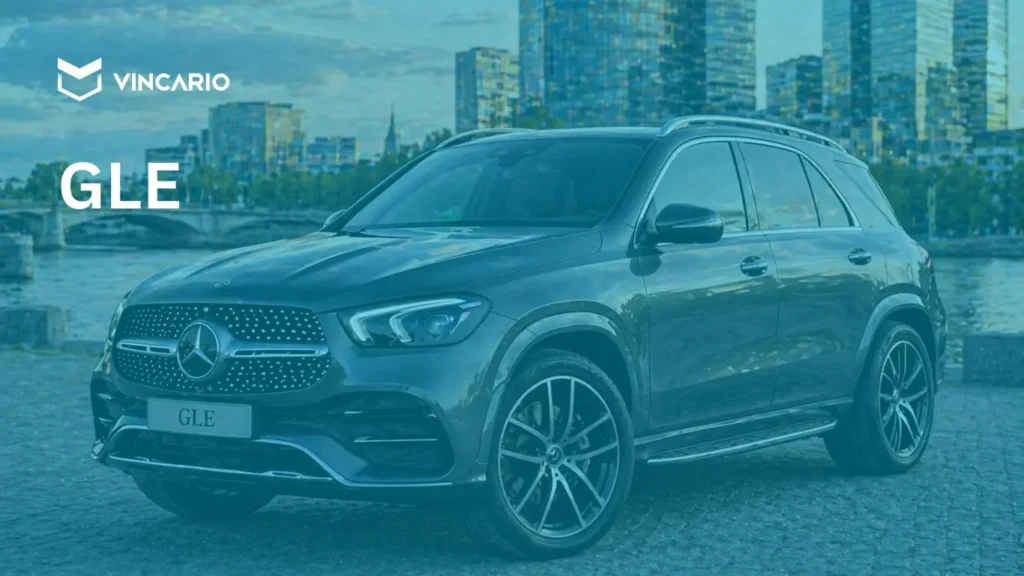
The GLE got a thorough redesign in 2020, and it shows. The 2022 GLE 350 earned an IIHS Top Safety Pick+ award and was rated “Great” in Driving Experience by JD Power. Real-world owners in Reddit communities describe it as “trouble-free,” with multiple accounts of crossing the 200,000-mile mark with standard maintenance. JD Power’s 2024 predicted reliability score for the GLS (GLE’s larger sibling) was 83/100 — considered great.
The 3.0L inline-six engine with 48V mild hybrid assistance in the GLE 350 is a significant improvement over its V6 predecessors in terms of both performance and durability. The standard 4MATIC all-wheel drive adds peace of mind without the complexity penalty of some rival systems.
Best years: 2020–2023
Expected lifespan: 150,000–200,000 mi
Best engines: GLE 350 (3.0L I6)
RepairPal: Top Safety Pick+
#6 — Mercedes-Benz G-Class (W463, 2002–2018)

The G-Class earned its reliability reputation the hard way — in military service. First commissioned in the late 1970s for the Iranian military and subsequently adopted by armies across NATO, the G-Wagon was engineered to operate in conditions that would destroy any normal vehicle. That foundation never really went away.
The pre-2019 W463 models — particularly the G500 with the naturally aspirated M113 V8 and later the M273 — are legendary for durability. The M273 engine has been documented running well past 200,000 miles without significant intervention when properly maintained. Owners describe it as one of the most over-engineered vehicles on the road.
The post-2019 redesign brought welcome technology upgrades but added electronic complexity. For longevity, the 2002–2018 G500 and G550 models remain the sweet spot. The G-Class received AutoTrader’s Best Luxury Car award in 2021 and Kelley Blue Book’s Best Resale Value for a Luxury Full-Size SUV in 2026.
Best years: 2006–2018 (G500/G550)
Expected lifespan: 200,000+ mi
Best engines: M273 V8 (G550)
RepairPal: Military-grade origin
#7 — Mercedes-Benz S-Class (W222, 2014–2019)
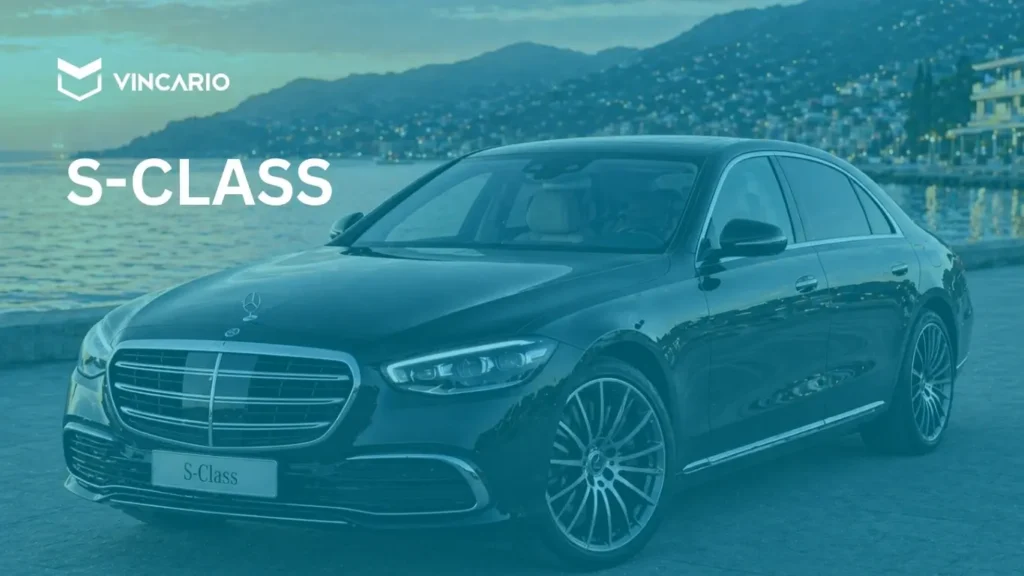
The S-Class is the technological flagship, which means it’s always carrying the newest, least proven systems. That said, the W222 generation (2014–2020) settled into a solid middle ground — JD Power scores consistently above 80/100 in overall consumer ratings, and the durability of the core mechanical components is excellent. Many S-Class owners report 200,000+ miles when the car is properly serviced.
The risk with any S-Class is electronics. Owners report issues with the air suspension (Airmatic), advanced driver assistance systems requiring recalibration, and infotainment complexity. But the engines themselves — especially the 3.0L twin-turbo inline-six and the 4.7L V8 biturbo — are robust. If electronics don’t scare you and you’re buying for long-term use, the 2015–2018 S450 and S560 represent genuine value as used purchases.
Best years: 2015–2018
Expected lifespan: 150,000–200,000 mi
Best engines: S450 (3.0T I6), S560 V8
RepairPal: 80+ / 100
#8 — Mercedes-Benz GLA (2017–2020)
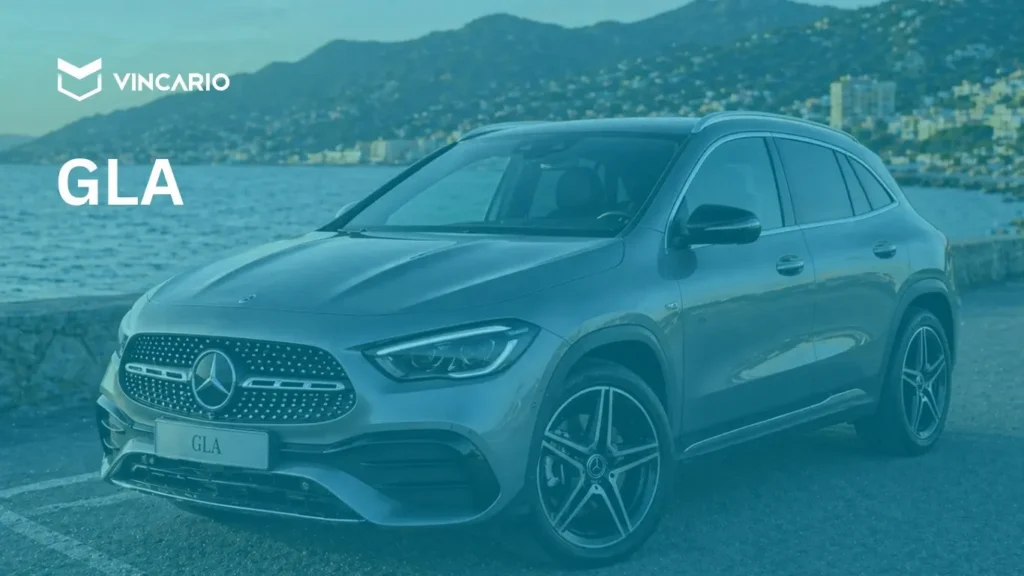
Entry-level doesn’t have to mean unreliable. The post-2017 GLA resolved most early production issues (faulty airbag sensors, oil leaks, starter motor faults) and settled into one of the more dependable options in Mercedes’ lineup. It shares its platform, engines, and transmissions with the A-Class — a simpler, lighter architecture that limits the failure points.
Kelley Blue Book named the 2021 and 2022 GLA its Subcompact Luxury SUV Best Buy in back-to-back years. Autovista Group awarded it the 2023 Compact SUV Residual Value award — the market pricing in long-term trust. With proper maintenance, the GLA can comfortably reach 200,000+ miles, which puts it in rarefied territory for the segment.
Best years: 2017–2020
Expected lifespan: 150,000–200,000 mi
Best engines: GLA 250 (2.0T)
RepairPal: 2021, 2022
#9 — Mercedes-Benz GLS (2017–2019)

If you need three rows and don’t want to compromise on reliability, the 2017–2019 GLS hits the target. JD Power gave the 2017 model an overall score of 80/100, and the 2024 GLS has a predicted reliability score of 83/100 — among the best in the full-size luxury SUV segment. Post-2010 models eliminated most of the fluid leak issues that plagued earlier versions.
The base turbocharged 3.0L inline-six is the sensible choice; the V8 in higher trims adds performance but increases maintenance cost meaningfully. For families needing genuine seven-seat capacity in a vehicle that will actually last, the GLS 450 (2017–2019) is worth serious consideration.
Best years: 2017–2019
Expected lifespan: 150,000–180,000 mi
#10 — Mercedes-Benz SL-Class (R230, 2003–2012)

The SL-Class has the longest production history of any Mercedes model — launched in 1954, running continuously ever since. The R230 generation (2003–2012) has developed a cult following among enthusiasts who want a grand tourer that genuinely goes the distance. JD Power gave the SL-Class a 2007 award, and Road and Travel named it Luxury Car of the Year in 2008.
Reddit owners of the SL500 describe the drivetrain as “very good,” with many reporting 150,000–200,000 miles without major mechanical issues. The main caveat is the ABC (Active Body Control) suspension — expensive to repair, but manageable if budgeted for. The SL550 with the naturally aspirated V8 is considered more reliable than turbocharged variants.lly last, the GLS 450 (2017–2019) is worth serious consideration.
Best years: 2005–2010
Expected lifespan: 150,000–200,000 mi
Most Reliable Mercedes SUV
The clear winner based on data: the GLC 300, specifically the 2018–2020 and post-2024 redesign models. Nine consecutive years of IIHS Top Safety Pick or Top Safety Pick+ awards is a record that almost no luxury SUV competitor can match. RepairPal’s 4/5 rating and top-4 segment ranking seal the case.
For those who need three rows, the GLS 450 (2017–2019) is the data-backed choice. For off-road capability with long-term durability, the G500/G550 (2006–2018) remains without peer.
SUV Reliability Tip: Avoid air suspension (Airmatic) if your priority is low maintenance cost. Spec the GLC 300 with standard suspension — it’s more reliable and costs significantly less when things eventually need attention.
Most Reliable Mercedes Sedan
The E-Class (W212/W213) wins, and it’s not particularly close. The combination of real-world taxi longevity data, IIHS recognition spanning a decade, and the strong diesel drivetrain heritage makes it the most defensible choice for anyone who wants a luxury sedan built for the long haul.
For buyers on a tighter budget, the C-Class W204 (2012–2014 models) delivers the most reliability per dollar spent. It won’t do 500,000 km like a German taxi, but 150,000–200,000 miles with standard maintenance is entirely realistic.
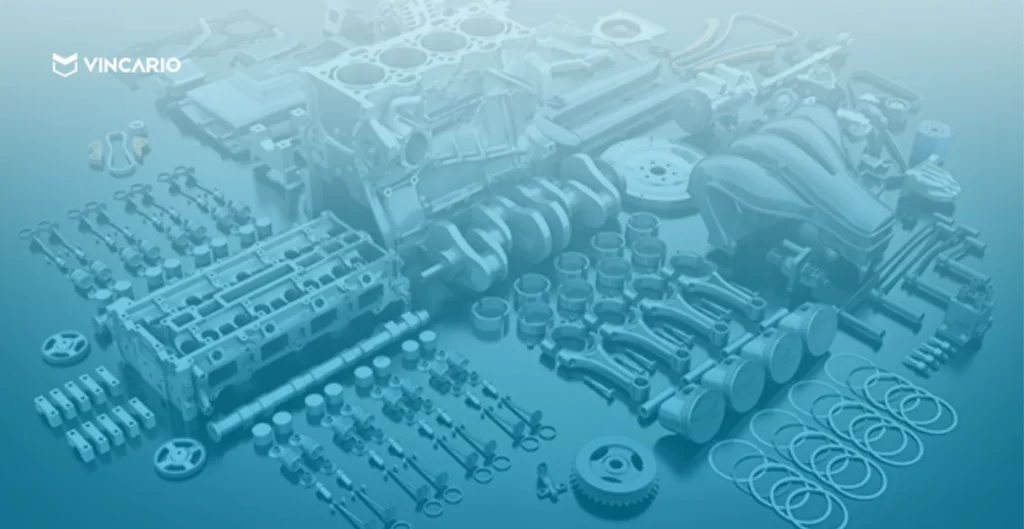
What are the most reliable Mercedes engines?
The engine under the hood makes or breaks a Mercedes’ long-term ownership story. Here are the four powerplants that come up repeatedly in owner communities, fleet operator data, and mechanic surveys:
2.1L 4-Cylinder Diesel (2008–2018)
Found in E220d, C220d, GLC 220d and others. Frequently crosses 500,000 km in fleet service. The engine that runs German and Greek taxis into the ground — and then keeps going. Only weak point: the timing chain tensioner on early versions. Replaced tensioner = effectively bulletproof.
5.5L Naturally Aspirated V8 (2006–2015)
The engine in the G550, E550, S550, and ML550. Naturally aspirated means fewer turbos to fail. Known to run well past 200,000 miles with clean oil changes. Owners on reddit describe it as the last “simple” V8 Mercedes built. Good oil = long life.
3.5L V6 Petrol (2004–2012)
Found in E350, C350, GLK350. Early versions had a balance shaft gear wear issue (address before 100k miles), but resolved versions are extremely durable. Hundreds of owner reports confirm 200,000+ miles when the balance shaft is maintained. A fundamentally over-engineered unit.
2.0L 4-Cylinder Diesel (2016–present)
The modern successor to the OM651, found in current E220d, GLC 220d, C220d. All-aluminium block reduces weight and improves thermal management. Mechanics servicing these engines at 300,000+ km report minimal issues. The early evidence suggests this engine will match or exceed its predecessor’s longevity.
Mercedes Models and Years to Avoid
Just as important as knowing what to buy is knowing what to pass on. These combinations produce disproportionate repair bills and owner frustration:
1. E-Class W211 (2002–2006)
Notorious for electrical failures, failing fiber-optic cables, SBC brake issues, and premature Airmatic compressor wear. The 2007 facelift fixed most of these. Avoid pre-2007.
2. ML-Class W163 (1998–2005)
Body-on-frame early generation with well-documented rust issues, rust-prone body panels, and reliability problems that earned it a poor reputation in consumer surveys.
3. CLA 250 (2014–2018)
The cheapest way into the Mercedes badge, but reliability suffers for it. Common issues: transmission shudder, excessive oil consumption, mediocre long-term ownership scores.
4. C-Class W204 (pre-2010)
Power steering fluid leaks on early W204 are well-documented, especially on diesel variants. The 2012+ models are a significantly better proposition.
5. Any AMG 63 variant (pre-2018)
Performance is magnificent. Reliability is not. The 6.2L M156 V8 is known for dropping valve seats around 100k miles. Budget accordingly, or avoid unless you have a track record on the specific car.
6. GLE/ML Airmatic (2012–2015)
The air suspension on this generation failed at unusually high rates. Compressors, bladders, and ride-height sensors all have documented failure patterns. Steel spring conversion kits exist for a reason.
Buying a Used Mercedes: The One Step Everyone Skips
Here’s something that should concern any used Mercedes buyer: according to data from vehicle history databases, roughly 46% of used Mercedes-Benz history reports contain damage records. That means nearly half of used Mercedes on the market have been in an accident — and many of those weren’t properly reported.
A 2015 E250d with 180,000 km could be the reliable workhorse you’re looking for — or it could be a previously submerged taxi with a rolled odometer and a resprayed front end. You can’t tell from looking at it. In many cases, a casual test drive won’t reveal it either.
Before you buy any used Mercedes: A VIN check delivers the vehicle’s complete specification — make, model, year, engine, transmission, and body type — along with any history records available from official databases. Run one before you negotiate on price, before you get attached to a specific car, and certainly before you hand over any money.
The VIN is stamped on the dashboard (visible through the windscreen), on the B-pillar door frame, and on the engine block. All three should match. If they don’t, walk away.
Discover what Vincario is and how it can help you manage your vehicle fleet more efficiently.

Frequently Asked Questions
What is the most reliable Mercedes-Benz of all time?
The Mercedes-Benz 240D (W115) holds the real-world record: Greek taxi driver Gregorios Sachinidis drove one to 4.6 million kilometers on the original engine. Among modern Mercedes, the E-Class diesel (W212 with OM651 engine) is considered the most reliable based on fleet data, JD Power ratings, and owner longevity reports.
What is the most reliable used Mercedes-Benz model to buy today?
The safest pick is usually the 2013–2016 Mercedes-Benz E-Class W212, especially the E350 petrol, because it has a strong reputation for durability, comfort, and lower-risk ownership compared with many newer Mercedes models. Used E-Class W212 models also scored well in What Car?’s used luxury car reliability survey.
Which Mercedes model and year is the most reliable?
The 2015–2018 Mercedes-Benz E220d or E250d (W212) is consistently cited as the most reliable modern Mercedes model. JD Power rates this generation highly, and German taxi fleets routinely run these cars past 500,000 km on original engines. For SUVs, the 2018–2020 GLC 300 leads on combined safety and reliability data.
What is the most reliable Mercedes SUV?
The Mercedes-Benz GLC 300 (2018–2020 and 2024+) is the most reliable Mercedes SUV based on data. It has received IIHS Top Safety Pick or Top Safety Pick+ awards for nine consecutive years (2017–2026), and RepairPal rates it 4 out of 5 with above-average reliability for its segment.
Which Mercedes engine is the most reliable?
The OM651 2.1L diesel four-cylinder is widely regarded as the most reliable Mercedes engine of the modern era, regularly surpassing 400,000–500,000 km in fleet service. The M273 naturally aspirated V8 is the most reliable petrol engine in the lineup, with documented longevity well past 200,000 miles.
At what mileage do Mercedes-Benz cars start having problems?
For modern Mercedes models, owners typically begin reporting increased maintenance costs around 80,000–120,000 miles. This often coincides with timing chain service intervals, air suspension wear (on Airmatic models), and cooling system components. Diesel models generally hold up better at higher mileages than petrol equivalents.
Is a used Mercedes worth buying?
Yes — if you buy the right model and year, and verify the vehicle’s history before purchase. A well-maintained 2015–2019 E-Class diesel or GLC 300 can provide years of reliable service at a fraction of new-car cost. The key is choosing models with proven longevity track records and always running a VIN history check to confirm the car’s actual background.
What is the most reliable used Mercedes sedan to buy?
The Mercedes-Benz E-Class W212 (2012–2016) is the best used Mercedes sedan to buy for reliability. Specifically, the E220d or E250d diesel variants with the OM651 engine have the strongest track record. Look for full service history, avoid Airmatic suspension if low maintenance is a priority, and check the timing chain service history.
What should I check before buying a used Mercedes-Benz to avoid expensive repairs?
- Full service history — regular maintenance is more important than low mileage.
- Engine and gearbox condition — look for rough shifting, oil leaks, smoke, or unusual noises.
- Suspension and air suspension — especially on E-Class, S-Class, GLE, and GLS models.
- Electronics — test infotainment, sensors, cameras, windows, seats, and warning lights.
- Rust and accident damage — inspect wheel arches, underbody, doors, and panel gaps.
- VIN history report — verify mileage, market value, stolen status, recalls, and previous damage.
- Pre-purchase inspection — have a Mercedes specialist check it before you buy.
Are older Mercedes-Benz models more reliable than newer ones?
According to many Mercedes-Benz specialists and used-car experts, some older Mercedes-Benz models can be more reliable than newer ones, mainly because they are mechanically simpler.
Models like the W212 E-Class and W204 C-Class are often praised for durability, while newer Mercedes models can be more expensive to maintain due to advanced electronics, sensors, turbo systems, and complex software.