




Buying or registering a vehicle should be straightforward. Yet one small detail can stop the entire process: the VIN inspection.
A VIN inspection confirms that the Vehicle Identification Number on the car matches the title and official records. It helps prevent fraud, protects buyers, and keeps DMV databases accurate.
In this guide, you’ll learn what is a VIN inspection, when it is required, and how to complete it without delays.
Key takeaways
- VIN inspection verifies vehicle identity. It confirms the VIN on the car matches the title and official records.
- Mandatory in many U.S. states. Especially for out-of-state vehicles or cars with rebuilt or salvage titles.
- Preparation speeds up the process. Use the VIN inspection forms we prepared below and bring all required documents.
- Verify the VIN before buying a car. Use a VIN scanner to avoid fraud and problems before buying the vehicle.
What is a VIN inspection?
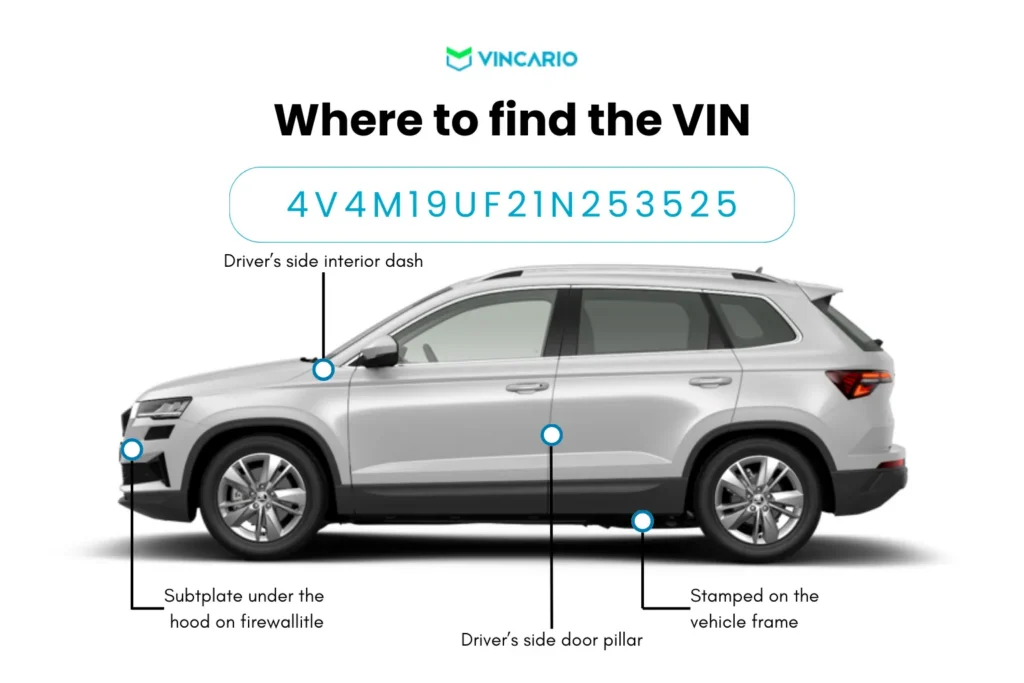
A VIN inspection is a physical check that confirms the Vehicle Identification Number on a car matches the VIN on the title and registration. The inspector examines locations such as the dashboard, the driver’s-side door jamb, and sometimes the engine block to ensure the VIN hasn’t been tampered with.
For example, if you buy a car from another state, a certified inspector will scan the VIN and compare it to the paperwork before you can complete registration, ensuring the vehicle is legitimate and preventing potential fraud.
What Happens During a VIN Inspection?
During the inspection, the authorized inspector follows a simple verification process:
- Locates the VIN on the vehicle.
The inspector identifies the VIN on the dashboard, door frame, or other manufacturer locations. - Confirms it matches the title and registration.
The VIN on the vehicle is compared directly with the number on the documents. - Checks for tampering or alterations.
The inspector looks for signs of grinding, mismatched plates, or re-stamped characters. - Verifies the vehicle identity.
This helps confirm the vehicle has not been stolen, cloned, or fraudulently modified.
When is a VIN Inspection Mandatory?
VIN verification is mandatory in many U.S. states when registering a vehicle purchased from another state. Before the DMV can process the registration, the vehicle must pass a VIN inspection to confirm that the VIN matches the official records.
This requirement is common when bringing a vehicle into a new state, registering a recently purchased out-of-state car, or handling vehicles with rebuilt or salvage titles. In these situations, a VIN inspection ensures the vehicle details, such as make, model, and year, correspond with the paperwork.
Without a completed VIN inspection form, the DMV will usually not finalize the registration, and the process may be delayed until the verification is completed.
What do I need for a VIN inspection?
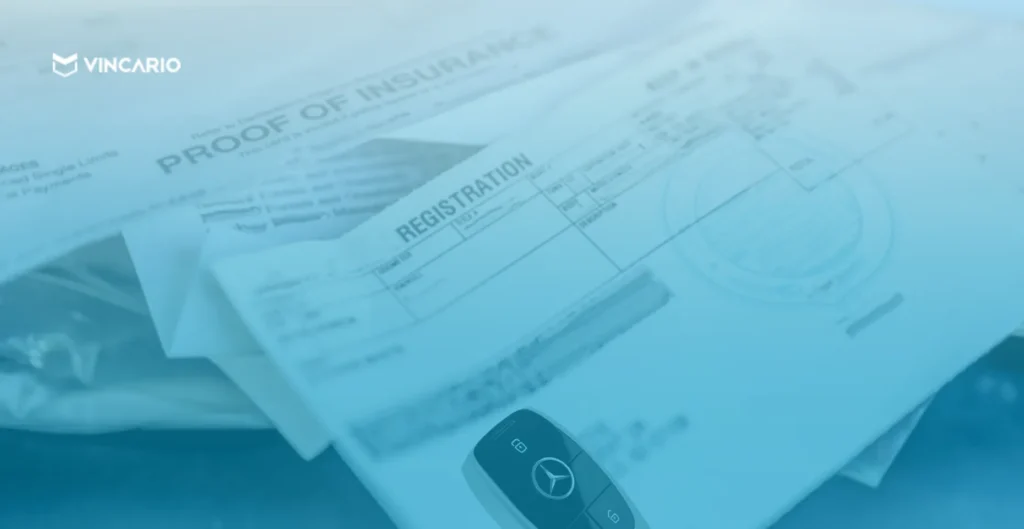
To complete a VIN inspection smoothly, bring the vehicle and the required documents so the inspector can verify the vehicle’s identity. Having everything prepared helps avoid delays and allows the registration process to continue without issues.
Required items:
- Vehicle – The car must be physically present for inspection.
- Photo ID – Valid government-issued identification.
- Vehicle title – Proof of ownership.
- Registration – If the vehicle is already registered in another state.
- Proof of insurance – Evidence that the vehicle is insured.
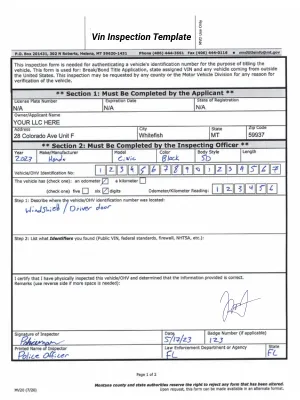
- VIN inspection form – State-specific form, such as the Utah VIN inspection form or the Colorado State Patrol VIN inspection form.
- Payment – Any inspection fees required by the state or an authorized inspector.
How much is a VIN inspection?
The cost of a VIN inspection in the United States varies by state and by the authority performing the inspection. Some DMV locations provide the service for free, while others charge a small fee.
In the next section, we compared typical VIN inspection fees across different states so you can estimate what to expect before scheduling your inspection.
VIN Inspection Price Comparison in 2026
| State | Typical Cost | VIN Inspection Form Type |
| Alabama | Free–$90 | MVT 5-10 |
| California | Free–$50 | REG 31 |
| Connecticut | Free in the DMV inspection lane | AE-81 |
| Colorado | $0-25 (police station) / $54 (certified) | Colorado state patrol VIN inspection: DR 2698 |
| Delaware | Usually free | MV573 |
| Florida | $10-75+ | HSMV 82042 |
| Idaho | $5 | ITD 3403 |
| Indiana | $5-9 | 39530 |
| Kansas | $20-25 | TR-65 |
| Kentucky | $15 | TC 96-229 |
| Nevada | Free in the DMV office | VP-015 |
| Maine | $12–19 | MVT-10 |
| Missouri | $10-12 | 5062 |
| Maryland | $85 + | VR-129 |
| Montana | $10-20 | MV20 |
| Nebraska | $10 | NSP 455 |
| New Mexico | $10 in the MVD field office | MVD-10705 |
| Ohio | ~$5 | BMV 3787 |
| Oklahoma | $4–$10 | OTC 788-A |
| Oregon | ~$7–$10 | DMV VIN Inspection |
| Pennsylvania | $10-35 | MV-41 |
| Rhode Island | $10-25 | Rhode Island VIN inspection form |
| Tennessee | $10 | VIN verification form |
| Texas | $40 | Obtainable from the VIN verifier |
| Utah | $20–$45 | Utah VIN Inspection Form (TC-661) |
| Vermont | $30 | VT-010 |
| Washington | $65 | Obtainable from the VIN verifier |
| Wyoming | $10 | MV-300A |
What Affects the Cost?
The price of a VIN inspection can vary depending on state regulations. Each state sets its own rules, fees, and authorised inspection locations, which is why costs may differ even for the same type of vehicle between states.
The location of the inspection can also influence the price. Some DMV offices offer low-cost or free inspections, while private inspectors, dealerships, or third-party services may charge additional service fees.
Be cautious of unusually high prices or unofficial services advertising fast VIN inspections. Always choose authorized inspectors approved by the DMV or state authorities to avoid potential fraud or invalid inspection results.
How long does a VIN inspection take?
In most cases, the physical verification itself takes about 5–10 minutes, depending on the vehicle and the inspection conditions.
The total time can be longer if the inspector needs to examine multiple VIN locations or verify additional details such as salvage titles or rebuilt vehicles. Some inspections may also take longer if the VIN is difficult to access or if the vehicle has been modified.
Another factor is where the inspection takes place. At DMV offices or police stations, the inspection itself is usually fast, but waiting times or appointment scheduling can add extra time to the process. In busy locations, inspections are often scheduled in advance to manage demand.
In practice, most drivers can expect the entire process to take 10–30 minutes from start to finish once the inspection begins. Arriving prepared with the vehicle, title, identification, and VIN inspection form helps the verification process is completed quickly and without delays.
Are There Alternative Ways to Complete a VIN Inspection?
In most states, a VIN inspection must be performed by an authorized or certified VIN inspector, such as a DMV agent, law enforcement officer, or licensed inspection station mechanic. This guarantees the process is official and the results are accepted for vehicle registration.
Some states allow alternative options, such as inspections at certain authorised dealerships or by private certified inspectors, but the owner or seller cannot inspect the vehicle. Using certified personnel helps protect against fraud and ensures that VIN verification is legally valid.
Most Common VIN Frauds
VIN-related fraud still appears frequently in the used car market. The most common examples include:
- VIN cloning – using a legitimate VIN from another vehicle to disguise a stolen car.
- Title washing – moving a vehicle across states to hide salvage or flood history.
- VIN tampering – altering the VIN plate or stamping to hide the vehicle’s identity.
- Fake online listings – advertising a vehicle using a real VIN but showing a different car during the sale.
These issues are one reason VIN inspections exist. But an early VIN check with a VIN scanner can help detect warning signs before the purchase.
What Can You Do to Avoid VIN Frauds?
Before scheduling a physical VIN inspection, many buyers and dealerships first run a VIN decoder check to verify the vehicle’s information. Using one of the best VIN decoders, buyers can quickly reveal key specifications, vehicle history indicators, and any possible inconsistencies between the VIN and the advertised vehicle.
For individual buyers purchasing a single car, a free VIN decoder from Vincario is often enough to confirm basic vehicle details and spot obvious mismatches. It takes only a few seconds and helps avoid risky purchases.
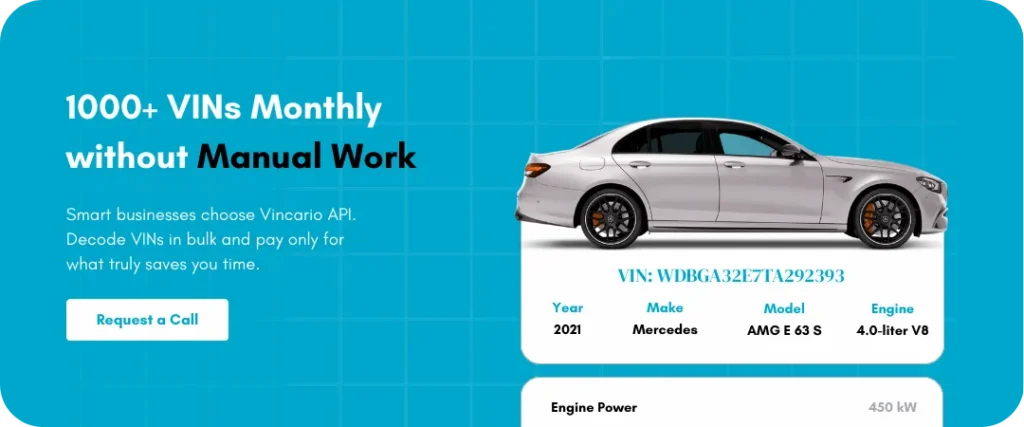
For dealerships or businesses that handle multiple vehicles, a VIN OCR scanner or VIN decoder API provides deeper data and automation capabilities. These tools allow dealers to scan VINs instantly, retrieve accurate vehicle specifications, and integrate vehicle data directly into their systems.
Vincario offers both options. Individual users can start with a free VIN decoder, while dealerships can access advanced data through the VIN Decoder API, with pricing based on usage and business needs. This approach helps both buyers and professionals verify vehicles faster and reduce the risk of fraud.
Final Words
A VIN inspection is a simple but mandatory step before registering a vehicle. It confirms that the VIN on the car matches the title and official records, preventing registration delays and protecting buyers from fraud.
To reduce risks, it is recommended to verify the vehicle before purchase. When buying an older or used car, run a quick VIN check with Vincario to detect potential issues early and avoid problems during the VIN inspection later. Vincario also provides a free report that includes the vehicle market value, stolen vehicle check, and wrecker (salvage) check, helping buyers make safer decisions before completing the purchase.
FAQ
How does Vincario help with VIN inspection and verification?
Vincario helps buyers verify a vehicle’s VIN before purchase by checking if the VIN matches the vehicle’s real specifications.
This helps detect potential VIN fraud and avoid buying a car that could fail a VIN inspection and registration.
Vincario offers 3 free vehicle reports each month, allowing users to quickly verify vehicles and make more informed decisions before scheduling a VIN inspection.
What Is a DMV VIN Inspection?
A DMV VIN inspection is a verification performed by the Department of Motor Vehicles (DMV) or an authorized inspector to confirm that the VIN on the vehicle matches the title and registration documents.
This inspection is often required before the DMV can complete vehicle registration, especially for out-of-state, rebuilt, or newly purchased vehicles.
What does a VIN inspection consist of?
A VIN inspection involves verifying that the vehicle’s identification number matches official records. During the inspection, the inspector checks:
- The VIN displayed on the vehicle (dashboard, door frame, or chassis)
- That the VIN matches the title and registration documents
- Basic vehicle details such as make, model, and year
- Any signs of VIN tampering or alteration
Where to get a VIN inspection near me?
You can get a VIN inspection at authorized locations such as DMV offices, law enforcement agencies, licensed inspection stations, or certified vehicle inspectors. Some states also allow VIN inspections at approved dealerships or private verification services, depending on local regulations.
Requirements and forms may vary by state. For example, drivers may need to complete a Utah VIN inspection form, follow the procedures for a VIN inspection in Ohio, or submit an Indiana VIN inspection form when registering certain vehicles. Checking your local DMV requirements in advance can help you prepare the correct documents and avoid delays.
What is a VIN inspection form, and why is it required?
A VIN inspection form is an official document completed by an authorized inspector after verifying the Vehicle Identification Number (VIN) on a vehicle. During the inspection, the inspector checks that the VIN displayed on the vehicle matches the number listed on the title, registration documents, and other official records. This form is required by the Department of Motor Vehicles (DMV) or similar authorities when registering a vehicle, transferring ownership, or processing certain titles, particularly for out-of-state or previously unregistered vehicles.
How long is a VIN inspection good for?
A VIN inspection is usually valid only for the registration process for which it was issued.
In most states, the form must be submitted to the DMV soon after the inspection, often within a few days to a few weeks, depending on state rules.
When is a VIN inspection required?
A VIN inspection is typically required when registering a vehicle purchased from another state, or when a car has a rebuilt or salvage title.
It may also be required for imported vehicles or when the DMV needs to verify the vehicle’s identity before completing registration.
Can I fail a VIN inspection? What are the common reasons?
Yes, a vehicle can fail a VIN inspection if the VIN on the car does not match the VIN on the title or registration documents.
Other common reasons include signs of VIN tampering, missing VIN plates, or inconsistencies between the vehicle’s specifications and the official records.